In a busy two days of announcements last week, MySQL, the Sweden- and U.S. West Coast-based vendor of the open source MySQL database, said that business users can expect an enriched Enterprise Edition collection of software, service and support, called “MySQL Enterprise.”
The other leg of the announcement is that alpha and beta versions of open source software products will be available in late September. Included in that group will be the “release candidate” of MySQL 5.1, an upgrade of the database server.
Rounds of Bug Fixes
“A release candidate signals that we’re almost ready to ship the software. All the new features are in and we’ve been through several rounds of beta bug fixes,” Steve Curry, MySQL director of corporate communications, told LinuxInsider.
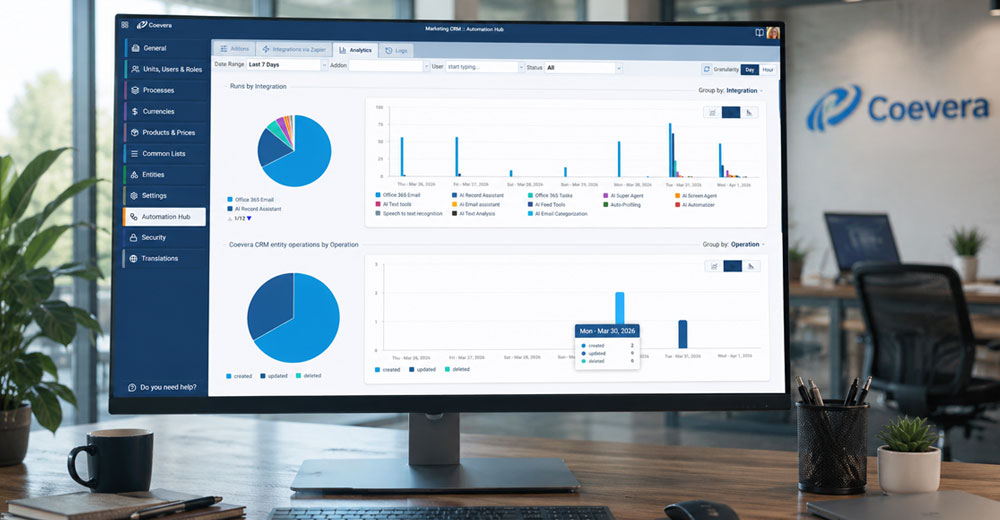
A key part of the new Enterprise package is the MySQL Enterprise Monitor.
Any business that has been shaken by server outages knows the value of monitoring capabilities. In the early days of open source, business managers worried most about the risk of finding out too late that promises of support from open source vendors would be paper-thin. The monitor service being offered at MySQL continuously monitors MySQL servers and raises alerts of special problems.
Open Source Database Outlook
More than 70 percent of organizations are going to be using open source databases by next year, predicts Gartner. With that kind of outlook, MySQL is not slowing down marketing and technology ploys for market share.
The company’s teams have been preaching the concept of “scale-out architecture.” MySQL promotes the message of the “database scale-out approach,” where growing businesses can avert big investments up front in database systems and licenses; instead, they can get more database horsepower on an as-needed basis, with replicated servers on low-cost hardware.
Scaling Options
One such customer who bought the message is a case in point.
“By scaling-out with MySQL, we were able to add 3 million new users in less than a month,” said Nat Brown, CTO of iLike. Brown’s company is a Web-based, social music discovery service. Consumers get personalized recommendations and follow what their friends are listening to.
MySQL’s approach was chosen because it was cheaper and easier, Brown told LinuxInsider.
“To handle the read load, you have the option of buying and upgrading a bigger and bigger server that can handle the volume of reads or replicating the database or a portion of it to multiple read-only slaves which handle the reads from many front end web servers,” he said.
“We chose the latter — it is cheaper, easier to maintain and repair, quite fault tolerant, and easy to scale by adding more web front ends and more slave databases using simple commodity hardware,” he said.
Paying for Growth
Earlier on, the business was running the free open source version of MySQL; then iLike moved up as a paying customer for the Enterprise edition.
“We had begun hitting some scaling issues,” Brown said, “and there were fixes we could use in future enterprise binaries which were not yet in the community releases.”
The other deal-maker, he added, was his team’s test-drive of the Enterprise edition’s “dashboard” tools.
High-Volume Targets
MySQL, which bills itself as the world’s most popular open source database, is clearly targeting similar organizations that need to power high-volume Web sites.
“Frankly, if users need the Rolls Royce of databases, they’re probably already using and paying significant amounts for Oracle or DB2. We aim to be the Toyota or Honda,” Curry said.
“We’re developing a new market for modern, Web-based applications that need to manage high traffic and high growth,” added Curry.
Jostling in the Wings
Don’t expect MySQL to take center stage without some jostling, however, from contenders such as Ingres, another open source database vendor.
“Our business is steadily growing. We are gaining traction in a number of new markets,” Deb Woods, Ingres vice president, product management, told LinuxInsider. “Customers who need a high performance optimizer, parallel queries, partitioning, and a strong backup and replication environment find Ingres to be a logical choice.”
If MySQL is a contender for the most popular open source database title, Ingres is crafting its presence as the “information management” company.
“Ingres is an open source information management company and will continue to be so. We help customers manage their information whether it is in tracking airline tickets, managing payroll systems, providing BI solutions, or providing solutions for the healthcare industry,” Woods said.











 Loading ...