

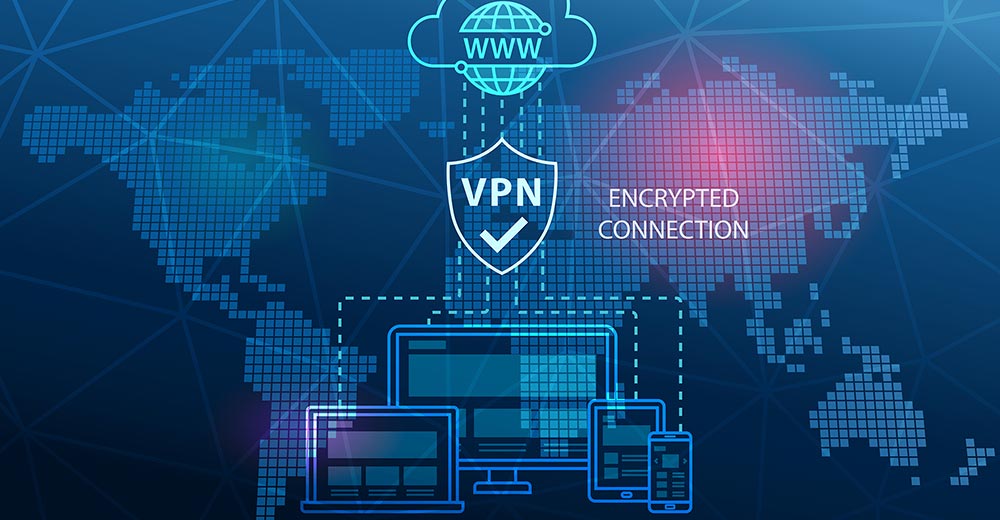
Opera released a new version of its browser, Opera 40, which includes a free built-in virtual private network service. The official rollout follows five months of user experimentation with a beta version.
The company evaluated beta users' feedback and subsequently added more servers, introduced options for global or private browsing, and created versions for iOS and Android, noted company spokesperson Yvonne Gonzalez.
When the VPN is enabled, it establishes a secure connection to one of Opera's five servers worldwide, allowing users to mask their IP address. Options now include two new virtual locations: Singapore and the Netherlands.
"We strongly believe that if more people knew how the Internet truly works, they would use a VPN," Gonzalez told LinuxInsider.
Many Hurdles to Clear
Only half of the respondents to a recent Opera Global survey knew what a VPN was. As for the other half, more than 70 percent of those familiar with VPN technology chose not to use a service, citing difficulty and unwillingness to pay.
Users can enable the Opera VPN in the privacy and security subsetting, which is located in the settings or preferences menu, depending on the OS the browser is running on.
The VPN can be toggled on and off after setup, and users can select their virtual location. Alternatively, the browser can be configured to automatically select the optimal server location. In automatic mode, VPN browsing always uses the maximum available speed, according to Opera.
Users can also choose whether to enable the VPN globally or only in private browsing mode.
Opera supports Windows 7 through 10, any recent Linux distribution, Mac OS 10.9 or later, iOS, and Android, Gonzalez said.
Why Use a VPN?
The chief purpose of a VPN is to protect user privacy online. Opera's VPN lets users use one of its IP addresses instead of their own to mask their identity.
"VPNs let you reflect the IP address of the VPN termination point rather than your origination point," said Michael Jude, a program manager at Stratecast/Frost & Sullivan.
However, "Other than for secure transmissions, which can be accomplished using https, why even bother with a VPN? It's just more complexity," he told LinuxInsider.
Further, VPNs "are finicky and don't play well with some applications," Jude said. "It used to be the case that they didn't do well with streaming video or mobile data devices. Those problems have been addressed, but you can still have issues with different applications -- usually anything that's timing-dependent."
In general, it's hard to connect to a VPN, and they tend to be slow because they simulate a dedicated, secure pipe by encapsulating IP packets in a secure wrapper, he added. "The wrapper consumes bandwidth -- so you really don't want to use a VPN on a slow connection."
VPNs can add overhead to a connection, and a VPN that's always on may consume a lot of data on a user's data plan, Jude pointed out.
Netflix reportedly blocked the Opera VPN from accessing its library in Europe, likely due to licensing issues.
More trouble may be in store, because "many commercial services and even online commerce sites work hard to geofence their offerings," noted Al Hilwa, a research program director at IDC.
Getting More Subscribers
Opera's share of the global browser market is minuscule.
"We are proud of having more than 50 million users on the desktop and 350 million total users on our Opera products," Opera's Gonzalez said. "We're going to carry on bringing innovation and interesting features to our product."
Still, using the VPN "will be the purview of power users," IDC's Hilwa told LinuxInsider.
If it does take off, other browsers may follow Opera's lead.

















 Loading ...





























Nice idea to have built-in VPN, but I am always sceptical about free VPNs and for a good reason, after all you are trusting your personal data to third party… I am always using paid VPN services and avoiding mainstream ones, currently I am using Traceless.me VPN, pretty satisfied, could easily continue using it.